
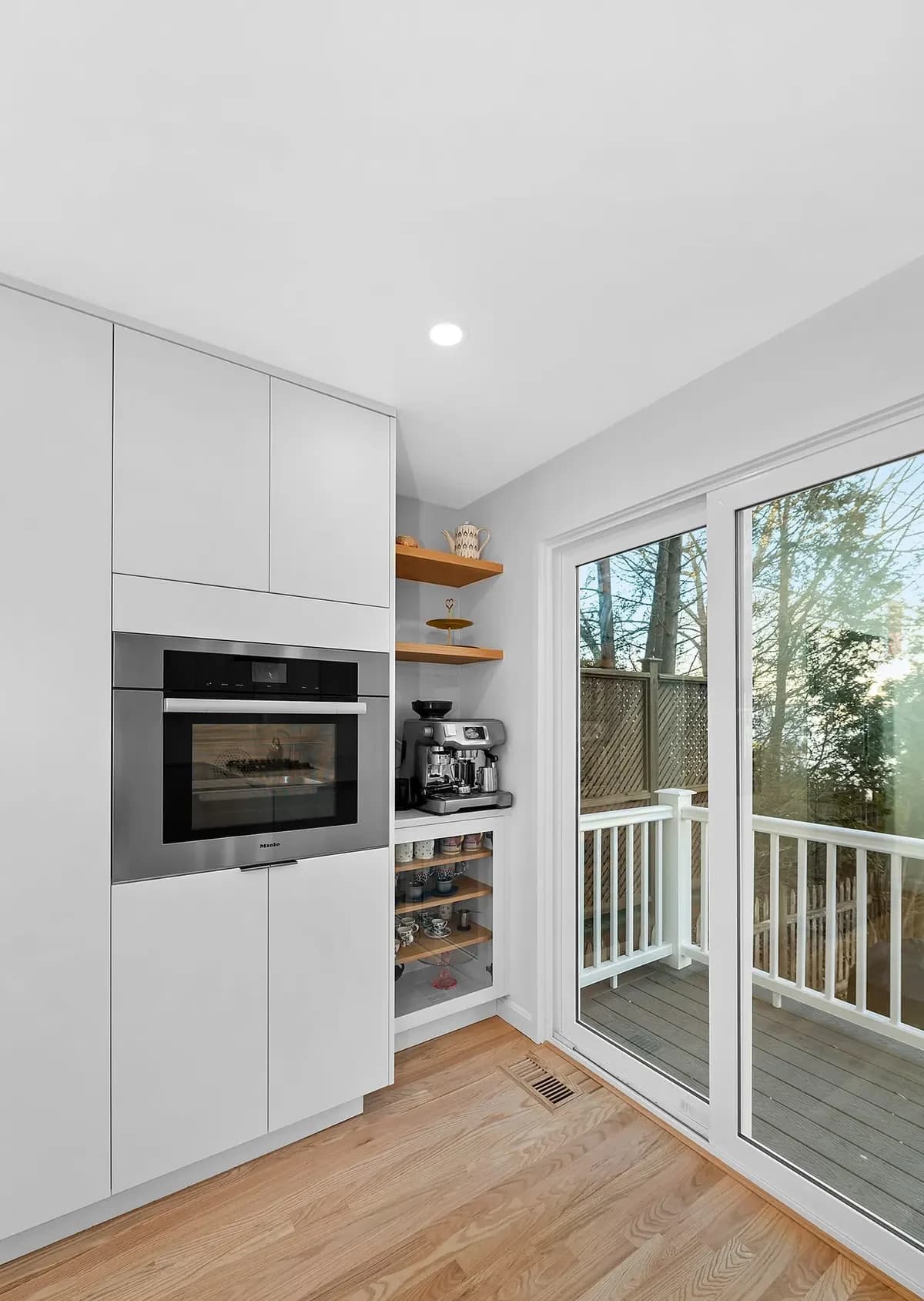
The kitchen island has become the most requested feature in kitchen renovations across Waltham and the Greater Boston area. It adds workspace, seating, storage, and social function to a room that is already the most active in the house. But a kitchen island that is the wrong size for the space, or loaded with features that do not match how the household actually cooks and lives, is an expensive mistake that affects the kitchen every single day.
This guide covers kitchen island ideas from every practical angle: how to size the island correctly for your specific kitchen, which styles work best in the homes common to Waltham, which features are genuinely worth the added cost, and which ones are best skipped. Bay State Kitchen Gallery designs custom kitchens throughout Waltham and the surrounding area, and the guidance here reflects what we see working beautifully in real homes rather than just in design magazines.
Step One: Get the Size Right Before Anything Else
More kitchen island projects go wrong on size than on any other single decision. An island that is too large blocks traffic flow, turns a functional kitchen into an obstacle course, and creates the frustrating situation where two people cannot work in the kitchen simultaneously. An island that is too small fails to deliver the workspace and storage benefits that justified the expense.
The size of your kitchen island is determined by your kitchen’s square footage and the available clearance around the island, not by what looks good in a design image or what fits as an absolute maximum. The minimum clearance between the island and any adjacent counter, appliance, or wall is 42 inches. For kitchens where multiple people cook at the same time, 48 inches is the functional minimum and 54 to 60 inches is significantly more comfortable.
Use the table below to identify the right island size range for your specific kitchen footprint:
If your kitchen falls below 150 square feet, a peninsula connected to a perimeter wall typically delivers better function than a freestanding island because it does not require clearance on all four sides. For a more detailed treatment of island sizing with specific dimension guidance, our dedicated kitchen island size guide walks through every scenario with precise measurements.
Kitchen Island Styles That Work in Waltham Homes
Waltham’s housing stock includes a wide range of architectural styles: colonials, capes, split-levels, ranch homes, and a growing number of renovated multi-family conversions. The kitchen island style that works best in each of these contexts differs, which is why the island should be designed to complement the home rather than simply replicate a trend image.
The Matching Island
The most common approach is an island built with the same cabinet door style and finish as the perimeter cabinetry. This creates a unified, cohesive look that is clean, well-designed, and easy to live with. It works particularly well in smaller kitchen renovations where visual consistency helps the space feel organised rather than crowded.
The Contrasting Island
A contrasting island uses a different colour or finish than the perimeter cabinets. The most popular combinations in the Waltham market currently are white perimeter cabinets paired with a navy, forest green, or charcoal island. This approach adds visual interest and gives the island a furniture-like quality that sets off the kitchen’s design. The perimeter-versus-island colour decision is closely related to the broader cabinet colour question: our guide on white versus dark kitchen cabinets covers the full colour decision framework that applies to both the island and the perimeter.
The Furniture-Style Island
A furniture-style island mimics the look of a freestanding piece: decorative legs instead of a toe kick, an open shelf on one side, and a mix of drawers and doors that look more like a sideboard than a built-in cabinet. This style works exceptionally well in transitional and traditional kitchens, particularly in older Waltham colonials where the kitchen opens to a formal dining area and a furniture-inspired island bridges the two spaces naturally.
The Waterfall Island
A waterfall island wraps the countertop material continuously over the sides of the island rather than ending at the cabinet face. The result is a bold, architectural statement that works best in contemporary and minimalist kitchens with flat-panel cabinetry. The waterfall edge requires a premium countertop material that looks intentional at the side angle: quartz and certain granites handle this best. Our guide on quartz vs granite vs marble countertops covers which materials work best for waterfall applications and their relative cost implications.
What Is Actually Worth Adding to a Kitchen Island
Once the size and style are determined, the features question begins. Island feature upgrades range from genuinely transformative to expensive novelties that sound impressive in a showroom and contribute little to daily kitchen life. The table below gives an honest cost and value assessment for every common island feature:
The Features That Consistently Deliver Value
Seating with a proper overhang is the single highest-value island feature available. Adding 12 to 15 inches of countertop overhang beyond the cabinet face creates comfortable knee clearance for seating without requiring a raised eating surface. A kitchen island that seats two or three people adds genuine daily social function and reduces the need for a separate breakfast table in smaller open-plan homes that are common in Waltham’s housing stock.
Built-in drawer storage is the second most consistently valuable feature. Deep drawers on the island side facing the cooking area can house pots, pans, and mixing equipment that currently lives in lower cabinets that are difficult to access. The kitchen island is the most ergonomically accessible storage location in the room, and maximising that advantage with deep, well-organised drawers pays back in daily convenience.
Pop-up electrical outlets are a high-utility addition that addresses one of the most common kitchen complaints: nowhere to plug in appliances during food prep without running a cord across the counter. Pop-up outlets retract flush with the countertop when not in use, so they do not interrupt a clean countertop surface. At $200 to $600 per unit, they represent excellent value relative to the daily convenience they provide.
Features That Require Honest Evaluation
A prep sink adds meaningful value in households where two or more people cook simultaneously and the main sink is a consistent bottleneck. In a household where the kitchen is primarily used by one person, the prep sink adds plumbing cost, installation complexity, and an additional fixture to clean without delivering proportional daily benefit.
The waterfall countertop edge is a design feature rather than a functional one. It adds a premium visual statement to the island but contributes nothing to workspace, storage, or ergonomics. It is worth the investment if design impact is a priority and the budget supports it. It is one of the first features to consider removing if budget pressure develops during the project scope.
Common Kitchen Island Mistakes to Avoid in Waltham Kitchens
The most expensive kitchen island mistakes are not about style choices. They are about planning failures that cannot be easily corrected after installation. Our overview of the most common kitchen remodel mistakes covers the broader planning pitfalls, but these island-specific errors deserve direct attention:
Undersizing the clearance: The most common island error in Waltham kitchen renovations. The island looks proportional in the design render but turns out to be a daily frustration once the refrigerator door opens into it
Adding a sink without thinking through the plumbing run: Moving water supply and drain lines to an island in a slab-on-grade kitchen can add $1,500 to $4,000 to the project cost and require significant floor work
Choosing an island height inconsistently: The standard island height of 36 inches works for prep work but is uncomfortable for seating unless the overhang is properly designed. Mismatched island and stool heights are a common and easily avoidable design error
Ignoring traffic flow during design: An island positioned in front of the refrigerator, the oven, or the main sink creates daily congestion that no amount of beautiful design compensates for
How Kitchen Islands Affect Resale Value in Waltham, MA
In the Waltham and Greater Boston real estate market, a well-designed kitchen island is a genuine buyer draw. Buyers in this market have specific expectations about kitchen quality, and an island with seating is on the shortlist of features that distinguish a premium kitchen from a functional one in property listings.
The key caveat is proportionality. An island that is clearly too large for its kitchen creates an immediate negative impression. Buyers who tour a kitchen where the island dominates the space and restricts movement will note the poor spatial judgment in the renovation and use it to negotiate. Size it right and style it thoughtfully, and the island adds measurable value. Size it wrong and it becomes a liability. Understanding how kitchen design trends evolve in the Massachusetts market helps homeowners make choices that age well, and our kitchen design trends guide provides the current market context for island design and feature preferences.
Cabinet style on the island matters as well for long-term value. A shaker island in a neutral colour reads as timeless and broadly acceptable to buyers across every aesthetic preference. Our dedicated guide on shaker cabinets vs raised-panel and timeless style covers how cabinet profile affects long-term design relevance, which is directly relevant to island cabinet selection.
Ready to Design Your Kitchen Island in Waltham, MA?
A kitchen island that is sized correctly, styled intentionally, and equipped with the right features for your household is one of the most rewarding investments in a kitchen renovation. Getting there requires a design process that starts with your specific kitchen dimensions, your daily cooking habits, and your long-term goals for the home.
Bay State Kitchen Gallery works with Waltham homeowners through every step of that process: measuring the space, designing the island layout, selecting the right cabinet style and countertop material, and specifying exactly the features that will earn their keep. Our showroom in Waltham allows you to see and touch cabinet profiles, countertop materials, and hardware before any decision is made.
Schedule Your Free Kitchen Island Design Consultation at Bay State Kitchen Gallery and bring your kitchen dimensions. We will design something that works perfectly for your home.
Frequently Asked Questions About Kitchen Island Ideas
What is the minimum size for a kitchen island?
The absolute minimum functional island size is approximately 24 by 48 inches, which provides a small prep area and limited storage. However, this size only works if the surrounding clearance is at least 42 inches on all sides. In practical terms, most kitchens under 200 square feet cannot accommodate an island that functions well. A peninsula connected to the perimeter is often a better solution in tighter kitchens.
How much does a kitchen island cost in Waltham, MA?
A custom kitchen island in the Waltham area ranges from approximately $3,000 to $8,000 for a standard built-in cabinet island without plumbing. Adding a prep sink and plumbing typically brings the total to $5,000 to $12,000 or more depending on the floor construction and distance from the main plumbing stack. Premium countertop materials, a waterfall edge, and integrated appliances can push the total higher. Bay State Kitchen Gallery provides detailed estimates based on your specific design before any work begins.
Should a kitchen island match the cabinets?
Not necessarily. Matching the island to the perimeter cabinets creates a cohesive, unified look that works well in smaller kitchens and traditional spaces. A contrasting island in a different colour is a popular and well-regarded design choice that adds visual interest and gives the island a furniture-like quality. Both approaches are current and appropriate in 2026. The right answer depends on the kitchen’s size, architecture, and the homeowner’s aesthetic preferences.
Does a kitchen island add value to a home?
Yes, in most cases. A kitchen island that is properly sized for the space, well-styled, and equipped with practical features is a genuine buyer draw in the Waltham real estate market. The key qualifier is proportionality: an island that is too large for its kitchen can create a negative impression and actually reduce appeal. Sized correctly, a kitchen island consistently performs as a value-adding feature in Massachusetts property listings.
What should I not add to a kitchen island?
Features to approach carefully include a prep sink in a one-cook household (adds cost and maintenance without proportional benefit), decorative features like corbels and legs on a budget-constrained project (design only, no function), and appliances that duplicate existing capability. Every feature added to the island should be evaluated against the question of how often it will actually be used relative to its installation and ongoing maintenance cost.
Build It for How You Live, Not Just How It Looks
The best kitchen island ideas are not the ones from the most impressive design images. They are the ones that fit precisely in the available space, support how the household actually uses the kitchen every day, and are built with quality materials that hold up over years of real use. That is the standard Bay State Kitchen Gallery applies to every island project in Waltham and throughout the Greater Boston area.
Size it right. Style it intentionally. Add only the features that earn their keep. That is the formula for a kitchen island you will still love fifteen years from now. Contact Bay State Kitchen Gallery today and let us design yours.